
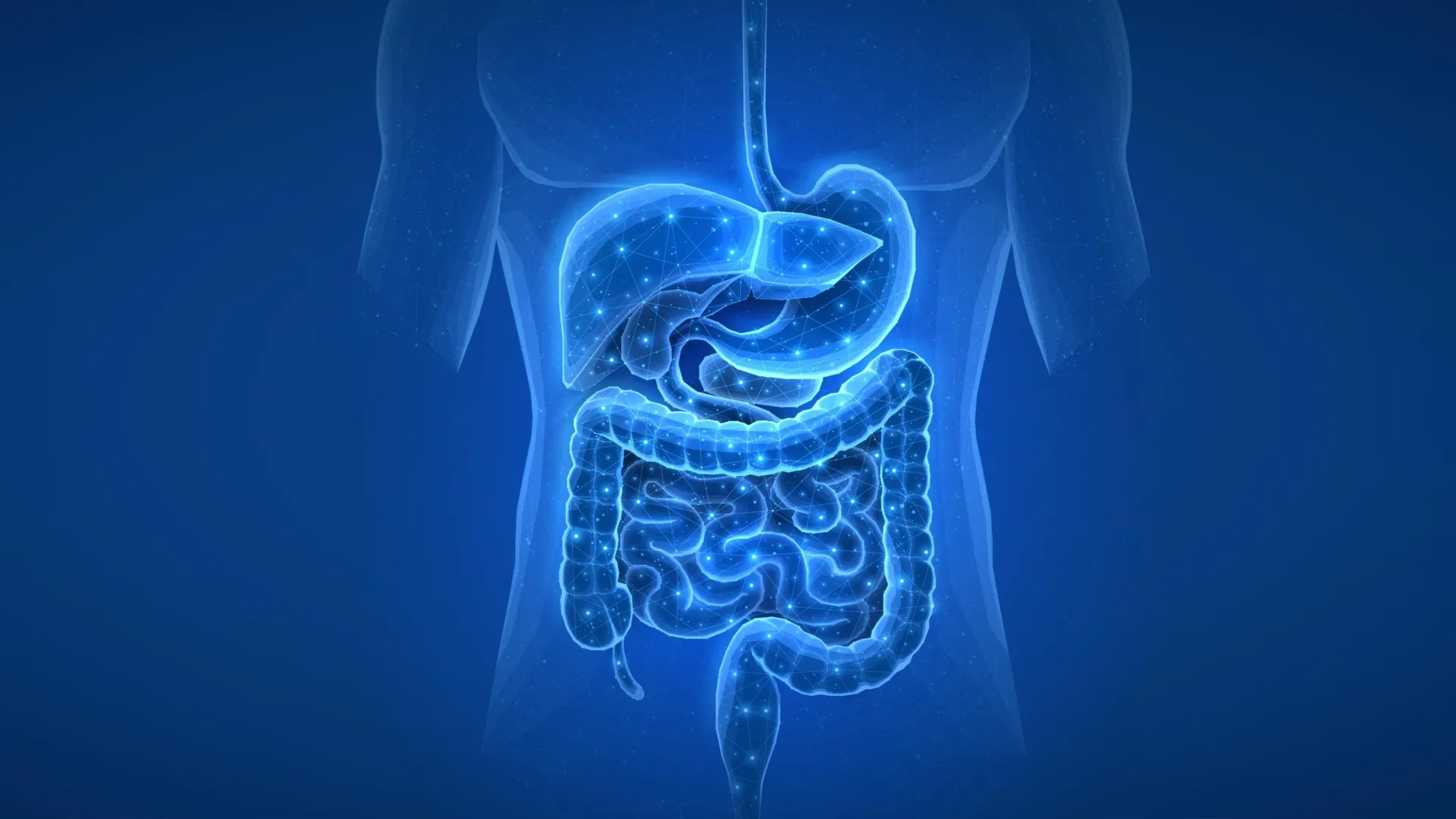
Medications can influence the community of microbes living in the human gut long after a person stops taking them, according to a large study led by researchers at the University of Tartu Institute of Genomics.
The findings suggest that a person's prescription history may help explain differences in the gut microbiome years later. The gut microbiome includes the vast community of bacteria and other microorganisms that live in the digestive tract and can influence digestion, metabolism, immune function, and other aspects of health.
Drug Effects May Persist for Years
Researchers analyzed stool samples and prescription records from more than 2,500 participants in the Estonian Biobank who were part of the Estonian Microbiome cohort. They found that most of the medications examined were associated with differences in the gut microbiome.
For a substantial number of drugs, those differences could still be detected years after people had stopped taking the medication.
The lasting effects were not limited to antibiotics, which are already well known for their ability to disrupt populations of gut bacteria. Antidepressants, beta-blockers, proton pump inhibitors, and benzodiazepines were also associated with distinctive microbial "fingerprints."
Beta-blockers are commonly used to treat conditions such as high blood pressure and certain heart problems. Proton pump inhibitors reduce stomach acid and are often prescribed for acid reflux and related conditions. Benzodiazepines are medications commonly used for anxiety and other disorders.
"Most microbiome studies only consider current medications, but our results show that past drug use can be just as important as it is a surprisingly strong factor in explaining individual microbiome differences," said Dr. Oliver Aasmets, lead author.
The finding suggests that researchers studying connections between the microbiome and disease may need to look beyond the medications a person is currently taking. Drugs used months or even years earlier could still influence the microbial patterns seen in a stool sample.
Anxiety Drugs Show Surprisingly Strong Effects
One particularly striking finding involved benzodiazepines, which are commonly prescribed for anxiety. Their associations with the gut microbiome were comparable to those seen with broad-spectrum antibiotics.
Broad-spectrum antibiotics are designed to act against many different types of bacteria, which is why they can produce substantial changes in the gut microbial community.
The study also found that medications belonging to the same drug class did not necessarily affect the microbiome in the same way. Drugs that may be prescribed for similar conditions, such as diazepam and alprazolam, differed in how strongly they appeared to disrupt gut microbes.
That distinction could be important because medications are often grouped together in microbiome research based on their drug class. The new results suggest that individual drugs may need to be considered separately.
Follow-Up Samples Reveal Predictable Changes
Researchers also examined follow-up stool samples from a smaller group of participants. These samples allowed them to observe what happened when people started or stopped certain medications.
Those changes were accompanied by predictable shifts in gut microbes, providing evidence that the medications themselves may be responsible for at least some of the observed differences.
Although the second time-point analysis involved a relatively small number of participants, researchers were able to confirm persistent effects linked to proton pump inhibitors, selective serotonin reuptake inhibitors and antibiotics, such as penicillins in combination and macrolides.
Selective serotonin reuptake inhibitors are a widely used class of antidepressants. Macrolides are a group of antibiotics that includes drugs used to treat a range of bacterial infections.
Medication History Could Matter in Microbiome Research
The results add to growing evidence that the gut microbiome reflects more than a person's current diet, lifestyle, health, and medication use. Past treatments may leave biological traces that remain detectable long after the prescription has ended.
"This is a comprehensive systematic evaluation of long-term medication effects on the microbiome using real-world medical health records," said Professor Elin Org, corresponding author. "We hope this encourages researchers and clinicians to factor in medication history when interpreting microbiome data."
Accounting for that history could help scientists more accurately distinguish microbiome changes associated with disease from changes caused by medications taken in the past.
Story Source:
Materials provided by Estonian Research Council. Note: Content may be edited for style and length.
Journal Reference:
- Oliver Aasmets, Nele Taba, Kertu Liis Krigul, Reidar Andreson, Elin Org, Mait Metspalu, Andres Metspalu, Lili Milani, Tõnu Esko. A hidden confounder for microbiome studies: medications used years before sample collection. mSystems, 2025; 10 (10) DOI: 10.1128/msystems.00541-25
Cite This Page:
Estonian Research Council. "Common medications may change your gut for years." ScienceDaily. ScienceDaily, 24 August 2026. . Estonian Research Council. (2026, August 24). Common medications may change your gut for years. ScienceDaily. Retrieved August 24, 2026 from www.sciencedaily.com/releases/2026/08/260824065605.htm Estonian Research Council. "Common medications may change your gut for years." ScienceDaily. www.sciencedaily.com/releases/2026/08/260824065605.htm (accessed August 24, 2026).Explore More
from ScienceDaily RELATED STORIES Common Medications May Secretly Rewire Your Gut for Years Oct. 9, 2025 Drugs taken years—even decades—ago can leave lasting imprints on the gut microbiome, reshaping the community of microbes long after treatment stops. Scientists analyzing over 2,500 Estonian ... Is Long-Term Beta-Blocker Therapy Needed After a Heart Attack? Aug. 30, 2024 The appropriate duration of beta-blocker treatment after a heart attack (a myocardial infarction [MI]) is unknown in patients who do not need to take beta-blockers for another reason. In the ABYSS ... Use of Acid Reflux Drugs Linked to Higher Risk of Migraine Apr. 24, 2024 People who take acid-reducing drugs may have a higher risk of migraine and other severe headache than people who do not take these medications, according to a new study. The acid-reducing drugs ... Race-Based Variations in Gut Bacteria Emerge by 3 Months of Age Aug. 17, 2023 Early social and environmental exposures can have large and lasting effects on child development and adult health. One of the systems that is vulnerable to external influence is the gut microbiome. A ... Beta-Blocker Use Associated With Lower Rates of Violence, Research Finds Jan. 31, 2023 Reductions in violence are seen in individuals using Beta adrenergic-blocking agents (Beta-blockers) compared with periods that they are not taking the medication, a new study finds. If the findings ... Fecal Microbial Transplants Show Lack of Predictability When No Prior Antibiotic Treatment Is Given to Recipient Nov. 4, 2022 Fecal microbial transplants have been given to alter a recipient's metabolism to reduce obesity or alter immunity to fight cancer, and in those transplants recipients are not given suppressive ... TRENDING AT SCITECHDAILY.comDogs and Humans May Share a Surprising Biological Secret to Longevity
Cleaner Cars May Be Hiding a New Pollution Problem
Scientists Uncover Signs of an Ancient Climate “Tipping Point”
236-Million-Year-Old Fossil Reveals a Stunning Secret About the Origins of Mammal Birth
Print Email ShareBreaking
this hour- Common Drugs May Change Your Gut for Years
- Your Bird Feeder Could Spread Bird Flu
- Ghostly Star Stream Maps Dark Matter
- A Sleep Sweet Spot for Slower Aging
- Screen Time at Ages 1 and 6 Matters
- Mapping a Molecule’s Quantum Shape
- NASA’s Roman Telescope Is Ready to Launch
- Artemis II Astronauts Earn Major Honor
- Tiny New “Dragon” Discovered in Thailand
- Alzheimer’s Gene May Shrink Neurons
Trending Topics
this week HEALTH & MEDICINE Personalized Medicine Pharmacology Nutrition MIND & BRAIN Perception Learning Disorders Behavior LIVING & WELL Nutrition Behavior Skin CareStrange & Offbeat
HEALTH & MEDICINE Common Medications May Change Your Gut for Years This Shark Can Live 400 Years. Its Eyes Barely Seem to Age Tooth Count May Predict Survival After Pancreatic Cancer Surgery MIND & BRAIN Mysterious Waves Sweeping Across Your Brain May Help Turn Sensory Chaos Into What You See Ozempic May Have Revealed the Brain’s Hidden “craving Center” The Adult Brain Can Repair Itself Better Than Scientists Thought LIVING & WELL This Gut Microbe May Help Keep You Strong as You Age COVID-19 Awakens Dormant Viruses — and One Is Linked to Long COVID When Gut Microbes Run Low on Fiber, They May Start Eating You\n